Terrace and patio cleaning in Birmingham for stone, paving and outdoor spaces
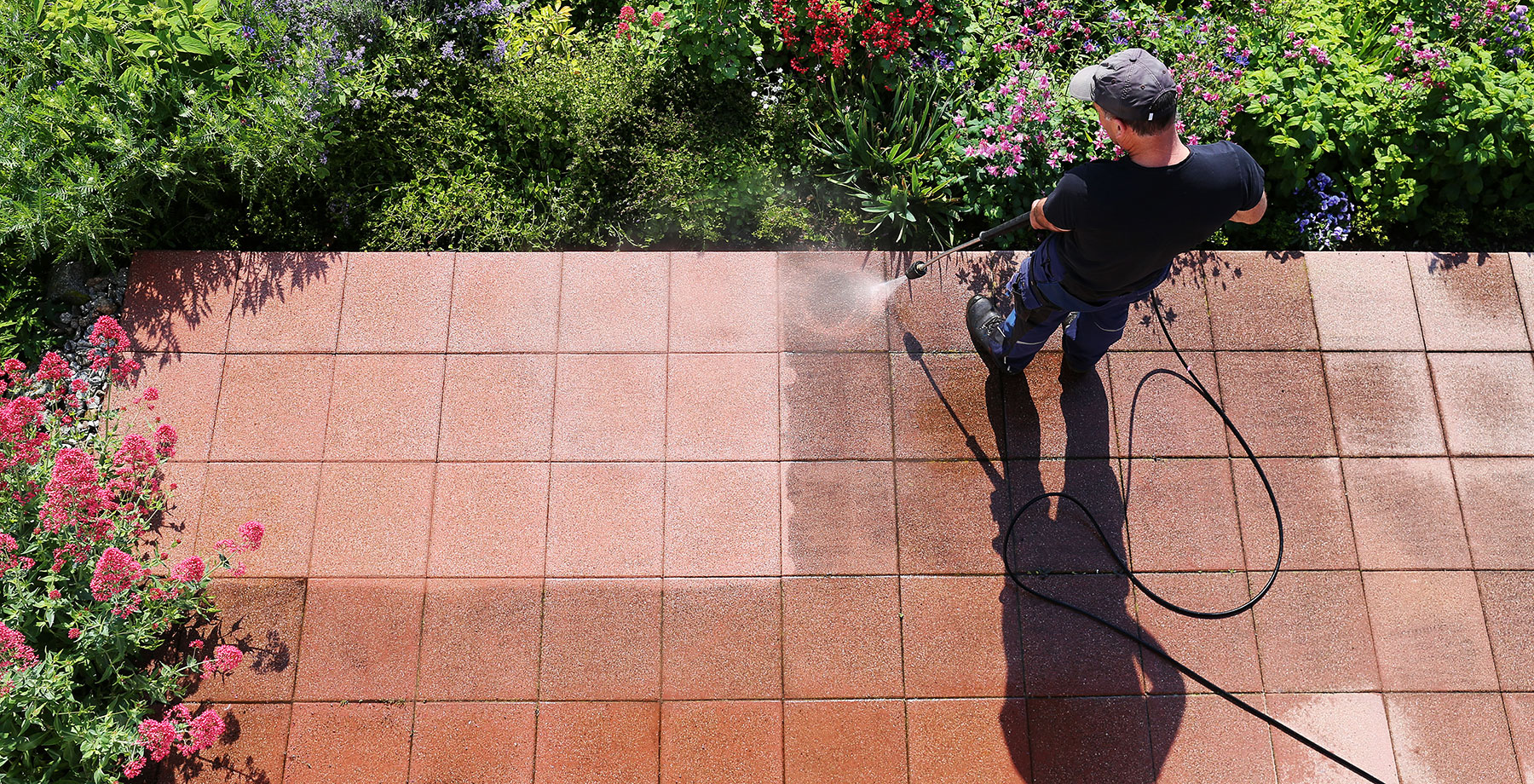
An outdoor surface needs a material plan before it is washed
A terrace can be built from sandstone, concrete, porcelain, brick, timber or composite boards. The same pressure and chemistry cannot be applied safely to every material. NOVA CLEAN Birmingham asks what the surface is, how it is laid, what has stained it and where wash water can go. A sheltered courtyard in the Jewellery Quarter may hold cooking grease and litter, while a garden patio in Sutton Coldfield may carry moss, leaves and winter soil. Our assessment considers joints, drainage, access and nearby planting. The aim is to remove suitable buildup without stripping a coating, loosening paving or sending dirty water towards a neighbour. A surface that is structurally damaged needs repair as well as cleaning.
Describe the area, slope and drainage before booking
Measurements and photographs help establish the size, shape and condition of the outdoor area. Tell us whether steps, narrow passages, raised planters or furniture interrupt the paving. We look at the direction of the slope and where runoff reaches a drain, soil bed, shared passage or building entrance. Standing water can reveal a blocked outlet or an uneven surface that cleaning will not correct. In a terraced home in Kings Heath, the route through the house may be the only way to reach the rear patio. We discuss how equipment will enter and how unaffected rooms can be protected. An accurate quotation identifies the accessible area and any drainage or disposal limitations.
Start by removing loose debris and movable items
Leaves, grit, packaging, pots and furniture should be cleared before a wash. We agree which items the client will move and whether any heavy or fragile pieces need separate handling. Dry sweeping or suitable collection prevents loose material from being driven into joints and drains. A neglected terrace may contain weeds rooted between slabs; removing growth is different from washing the surface and can disturb weak pointing. If abandoned belongings or a large waste volume are present, clearance must be specified separately. We inspect the exposed paving after preparation because furniture can conceal staining, cracked tiles or algae. A plan that begins with what is actually on the ground is more reliable than one based on photographs of only the visible centre.
Algae, moss and the slip risk of damp paving
Green growth often appears where shade and moisture persist. It can make a patio slippery, but a quick blast is not always the best treatment. The surface material, age of the joints and access to drainage influence the method. We may need to loosen deposits carefully, remove residue and allow a compatible treatment to work for its stated time. No cleaning process permanently changes a wet, shaded microclimate. Cutting back vegetation, repairing drainage or improving light may help reduce rapid return. We discuss those maintenance factors without promising a growth-free surface for a fixed period. If a step or entrance is affected, the work area should be kept clear until it is safe for normal use.
Sandstone and other porous natural stone
Natural stone can carry variations in colour, texture and porosity even within one terrace. Strong products may react with minerals or leave pale patches; excessive pressure can open the surface and weaken joints. We identify the stone as accurately as possible and test a discreet area before treating widespread staining. Oil, rust, leaf tannins and ordinary soil do not have the same removal prospects. A porous slab may hold a mark beneath the top surface. We explain likely improvement and avoid treating weathered stone as if it were newly laid. Existing sealers should be identified where possible because a cleaning product may affect them. Repairing a failed joint or coating is a separate decision for the owner.
Porcelain, ceramic and sealed paving
A dense porcelain tile can resist some stains differently from porous stone, but grout, edging and adjacent steps may be more vulnerable. A sealed surface may have a coating that has worn unevenly. We assess whether the problem is removable dirt, a damaged finish or trapped staining beneath a sealer. A high-pressure jet directed at a joint can wash out bedding or create a streaked appearance. Compatible chemistry and an even method matter more than force. We also check for polished or smooth tiles that become slippery when wet. The client should know whether cleaning includes the joints and whether resealing is within scope. The finish is checked after drying because wet paving can conceal remaining marks or colour variation.
Concrete slabs, block paving and joints
Concrete and block paving often accumulate dark traffic film, soil and growth at the edges. A method should lift surface dirt without eroding the face or dislodging jointing sand. We ask whether the blocks have been sealed and whether previous cleaning has left channels or uneven colour. Re-sanding and repairs are distinct tasks and should be named if required. A patio bordering a driveway may carry tyre marks or oil that need separate assessment. A broad area can be cleaned in a planned sequence to limit streaks and manage runoff. We do not assume that every dark patch is soil; curing variation, fading and old sealer can remain after a thorough clean.
Timber decking and composite boards
Decking demands particular restraint. A powerful jet can raise timber grain, drive water into joints or damage a composite finish. We look for loose boards, protruding fixings, rot, peeling coating and the manufacturer’s care recommendations. Growth in grooves and around rails may need a suitable brush and controlled product rather than high pressure. Timber may require drying and later maintenance, oiling or repair after cleaning; these are separate stages. Furniture feet can also leave compression or colour differences that cleaning will not erase. A raised deck must be assessed for structural safety before people or equipment work on it. We describe the accessible surfaces and avoid promising to reach a hidden underside.
Outdoor furniture, walls and planters are separate surfaces
A terrace quotation should say whether steps, low walls, balustrades, planters and furniture are included. A stone wall can have different mortar from the paving, while painted metal railings require another product. Moving heavy planters can damage tiles or expose a lighter patch that reflects weathering. We agree what may be moved and protect vegetation from overspray where practical. Fragile pots and electrical garden lighting need attention before work starts. A pergola or fence may require a different access and cleaning process. Separating these items in the scope gives the owner a realistic picture of time and price and prevents a patio wash from silently becoming a full garden renovation.
Grease, food spills and outdoor dining areas
Restaurant terraces and domestic barbecue areas may have cooking grease absorbed into paving. A suitable degreaser, controlled agitation and collection of residues can be needed, depending on material and drainage. A single wash may improve the appearance without removing a deep oil shadow from porous stone. We ask how long the mark has been present and what was applied before. Food premises also need an operational plan so customers, staff and deliveries do not cross a wet work zone. Tables, umbrellas and heaters may need to be moved by the responsible team. A business can schedule cleaning before opening or during a closure, leaving enough time for the surface to dry and be inspected.
Paint, rust and renovation residues
A spot of paint, a rust mark from a metal pot and cement film after building works are separate problems. Abrasion or acidic chemistry can harm a slab while chasing a stain. We first identify the substrate and the likely source, then discuss a small test. Some deposits require a specialist remover or cannot be removed without altering the finish. If builders left grout haze across a new terrace, the paving installer’s instructions matter. Do not assume a pressure wash will fix a chemical mark or a poor installation. We describe what can be treated safely and record permanent discolouration or physical damage. A broader post-construction clean can be coordinated with our after builders cleaning service.
Water use and runoff near the building
A terrace that slopes towards a door or basement lightwell requires extra care. We assess how much water the process will generate, whether drains are clear and whether residues can be contained. A blocked gully should be addressed before washing, as pushing soil into it can make the problem worse. In a shared courtyard, runoff may affect another occupier, so permission and timing should be established. We avoid directing water at damaged thresholds, vents or electrical fittings. The building owner may need to repair failed seals or drainage separately. Cleaning removes suitable surface deposits; it cannot make an existing doorway watertight or solve a persistent flooding route.
Access around occupied homes and neighbouring properties
Outdoor work can be noisy and may affect a narrow shared passage. We ask where equipment will be unloaded, how it reaches the terrace and whether gates or courtyards are controlled by others. In Harborne or Moseley houses, a rear area may be accessed through a side path; in a city-centre apartment, a roof terrace may have lift and management restrictions. Work should remain within the authorised property and avoid blocking a fire route. We discuss any practical conditions imposed by a managing agent. Children and pets need to stay away from equipment and treated surfaces. The programme should allow a final walk-through once water and loose residue have been removed.
Seasonal planning and the return of outdoor growth
Autumn leaves, winter shade and spring pollen can change a surface quickly. Cleaning shortly before an outdoor event may give a useful visual refresh, but weather and surrounding trees can deposit new material afterwards. A regular light sweep and clear drainage help maintain the result. Growth can return where moisture and shade remain, regardless of how thoroughly a slab was washed. We can discuss a suitable maintenance interval based on exposure rather than promise one universal schedule. Freezing weather, high winds or heavy rain may make certain methods unsafe or ineffective, so a date should include a realistic contingency. An older terrace also needs periodic inspection of loose joints and drainage independent of cleaning.
What influences a terrace cleaning price
Area, material, degree of buildup, access, water supply, drainage, furniture and stain type all affect the time and method. A small shaded courtyard can require more detailed work than a larger open terrace. Photographs of the whole area, close details of representative marks and the postcode help us discuss a quote. If the surface is unusual or a hidden drain is uncertain, an inspection may be appropriate. We separate basic washing from stain treatment, weed removal, waste clearance, re-sanding, sealing and repairs. A low price for an unspecified pressure wash does not tell the customer whether it suits natural stone or how runoff will be managed. Clear scope protects the paving and makes the result measurable.
A handover check after outdoor cleaning
Inspect the terrace when sufficiently dry to see colour and remaining marks clearly. Note any pre-existing cracks, worn coating, inaccessible corners and stains that did not respond safely. The work record should identify the area cleaned and any separate maintenance recommended for joints or drainage. Avoid placing heavy furniture immediately on a wet or freshly treated surface if the method requires more time. A restaurant manager may need to check that the seating route is safe before reopening. A homeowner can review steps, edges and the area near doors. Cleaning is complete when the agreed accessible surfaces have been treated and the work area is left tidy, with limitations explained rather than hidden.
Areas we discuss across Birmingham
NOVA CLEAN Birmingham can assess patios and terraces in Edgbaston, Harborne, Kings Heath, Moseley, Erdington, Sutton Coldfield, Solihull and city-centre properties, subject to practical access and the material. Outdoor areas range from small brick courtyards to large paved gardens and commercial seating spaces. Tell us whether the terrace sits at ground level, on a balcony or above another property. An elevated area may require a different drainage and access plan. Local availability and price depend on the actual surface and access conditions, not simply the postcode. If the adjacent facade also needs cleaning, our facade cleaning guide describes a separate assessment.
Request a measured patio and terrace assessment
Send the postcode, approximate dimensions, photographs of the entire surface and closer views of stains or damaged joints. Identify stone, concrete, tile, timber or composite if known, along with previous sealing and cleaning. Tell us about water supply, drains, access routes, furniture, planting and the date the area must be usable. We can then discuss a compatible method, areas included and any limits or separate repair needs. A sensible quote distinguishes removable soil from material defects and sets out how wash water will be handled. Call 0845 52 805 20 or email